Peripheral neuropathy — damage to the nerves outside the brain and spinal cord — affects an estimated 20 million Americans. The condition causes burning, tingling, numbness, and pain, most commonly in the hands and feet. For many patients, conventional treatments offer limited relief and come with significant side effects.
The Limitations of Conventional Treatment
The standard medical approach to neuropathy focuses on symptom management: pain medications (including gabapentin and pregabalin), antidepressants, and in some cases opioids. While these can reduce pain perception, they don't address the underlying nerve damage — and they often come with side effects like drowsiness, weight gain, and dependency risks.
For diabetic neuropathy patients, blood sugar management is essential but rarely reverses existing nerve damage. Physical therapy can help maintain function but doesn't regenerate damaged nerve tissue. Many patients are told to simply "manage" their condition, with the implication that nerve damage is permanent.
Why Regenerative Medicine Offers Hope
Regenerative approaches to neuropathy work differently. Instead of masking symptoms, they aim to repair and regenerate damaged nerve tissue through several mechanisms:
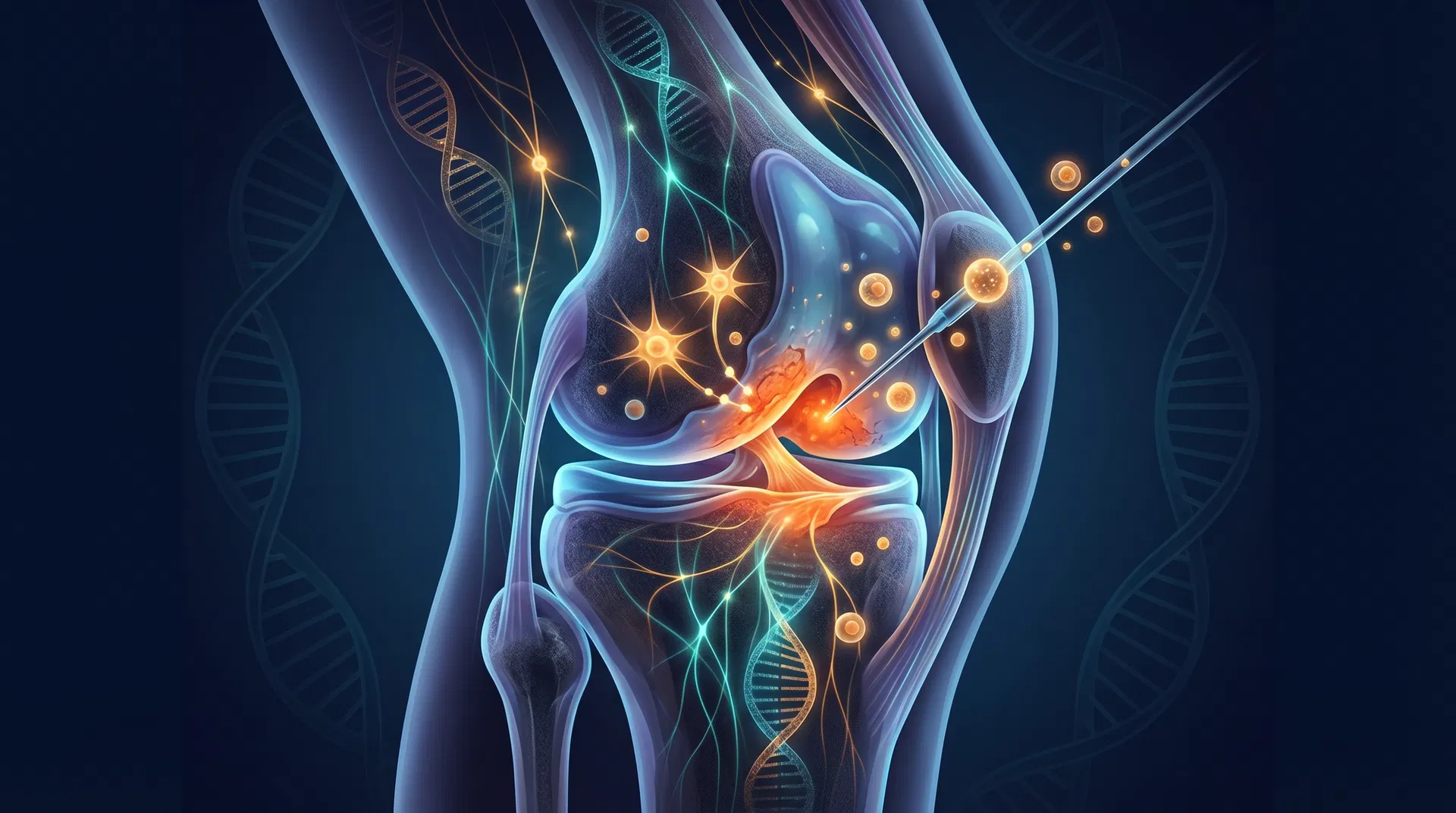
Growth factor stimulation: PRP and stem cell therapies deliver concentrated growth factors directly to damaged nerve areas, stimulating the body's natural repair processes. Nerve Growth Factor (NGF) and Brain-Derived Neurotrophic Factor (BDNF) are particularly important for peripheral nerve regeneration.
Reducing neuroinflammation: Chronic inflammation is both a cause and consequence of nerve damage. Regenerative therapies have potent anti-inflammatory effects that can break the cycle of inflammation and degeneration.
Improving microcirculation: Damaged nerves often suffer from poor blood supply. Regenerative treatments can stimulate angiogenesis — the formation of new blood vessels — improving oxygen and nutrient delivery to nerve tissue.
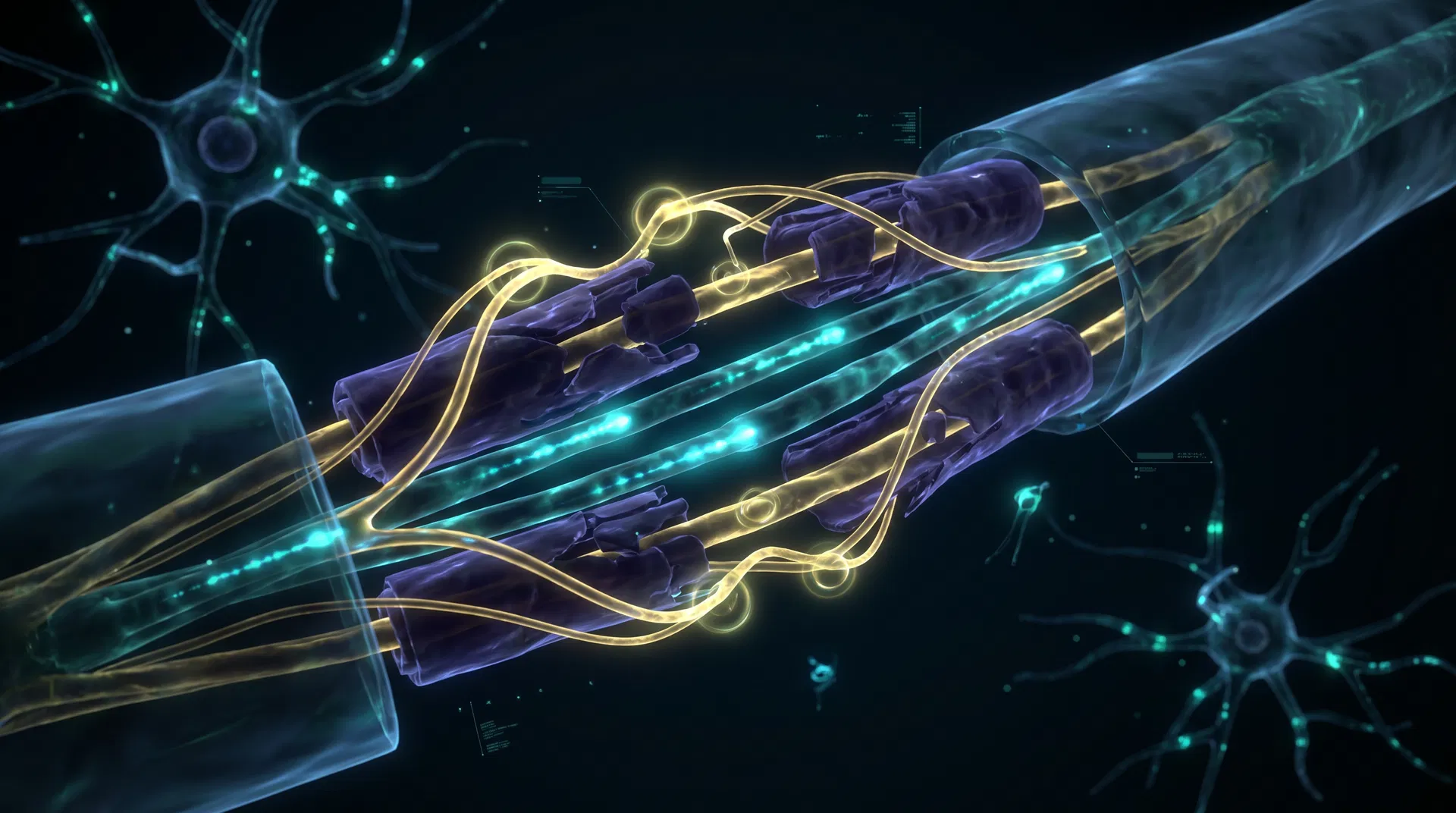
Myelin sheath repair: The myelin sheath is the protective coating around nerve fibers that enables efficient signal transmission. When damaged, nerve signals slow or stop entirely. Regenerative therapies support the Schwann cells responsible for myelin production and repair.
Real Results in Our Clinic
At NexGenEsis Healthcare, we've seen remarkable outcomes with our regenerative neuropathy protocol. Patients who had given up hope of improvement have experienced significant reductions in pain, restored sensation, and improved function. Many have been able to reduce or eliminate their reliance on pain medications.
One of our patients, after nearly a decade of burning pain in his feet, reported feeling better than he had in 75 years after completing his treatment protocol. Another patient went from being unable to walk without assistance to hiking two miles with her husband.
Is Regenerative Neuropathy Treatment Right for You?
Not every neuropathy patient is a candidate for regenerative therapy, and results vary based on the type and severity of nerve damage, underlying causes, and overall health. At NexGenEsis, we begin with a comprehensive evaluation including nerve conduction studies and advanced diagnostics to determine whether regenerative treatment is appropriate for your specific situation.
If you're living with neuropathy and conventional treatments haven't provided adequate relief, a consultation can help determine whether regenerative medicine might offer a new path forward.